


Should you fulfill your potential?
Before you answer that seemingly obvious question, I want you first to consider a young, no-name janitor, who cleans up after people that think they’re smarter than him, then surprises all by solving MIT-level math on the chalkboard.
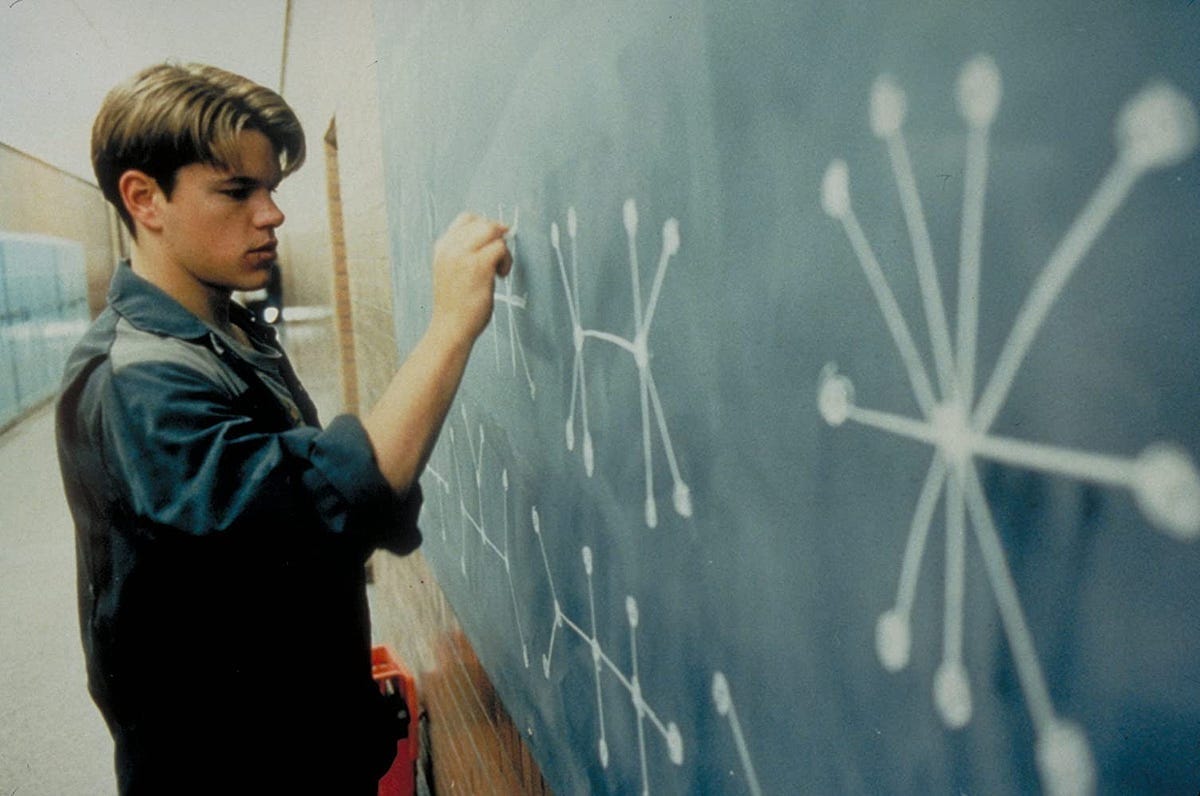
“The Chosen One” is one of the most popular archetypes in stories, and for good reason. We like this idea. It’s a nice idea. We’re talking about the Harry Potters, Luke Skywalkers, Jon Snows of the world. That there’s some prophecy, and one of us is destined to fulfill it.
Of course, magic is not required. If you’re less inclined toward the supernatural, then look no further than one of the greatest modern Chosen Ones: Matt Damon in Good Will Hunting.
A secret genius? Humble, blue-collar job? Making a pretentious know-it-all-prick suck on some knowledge?
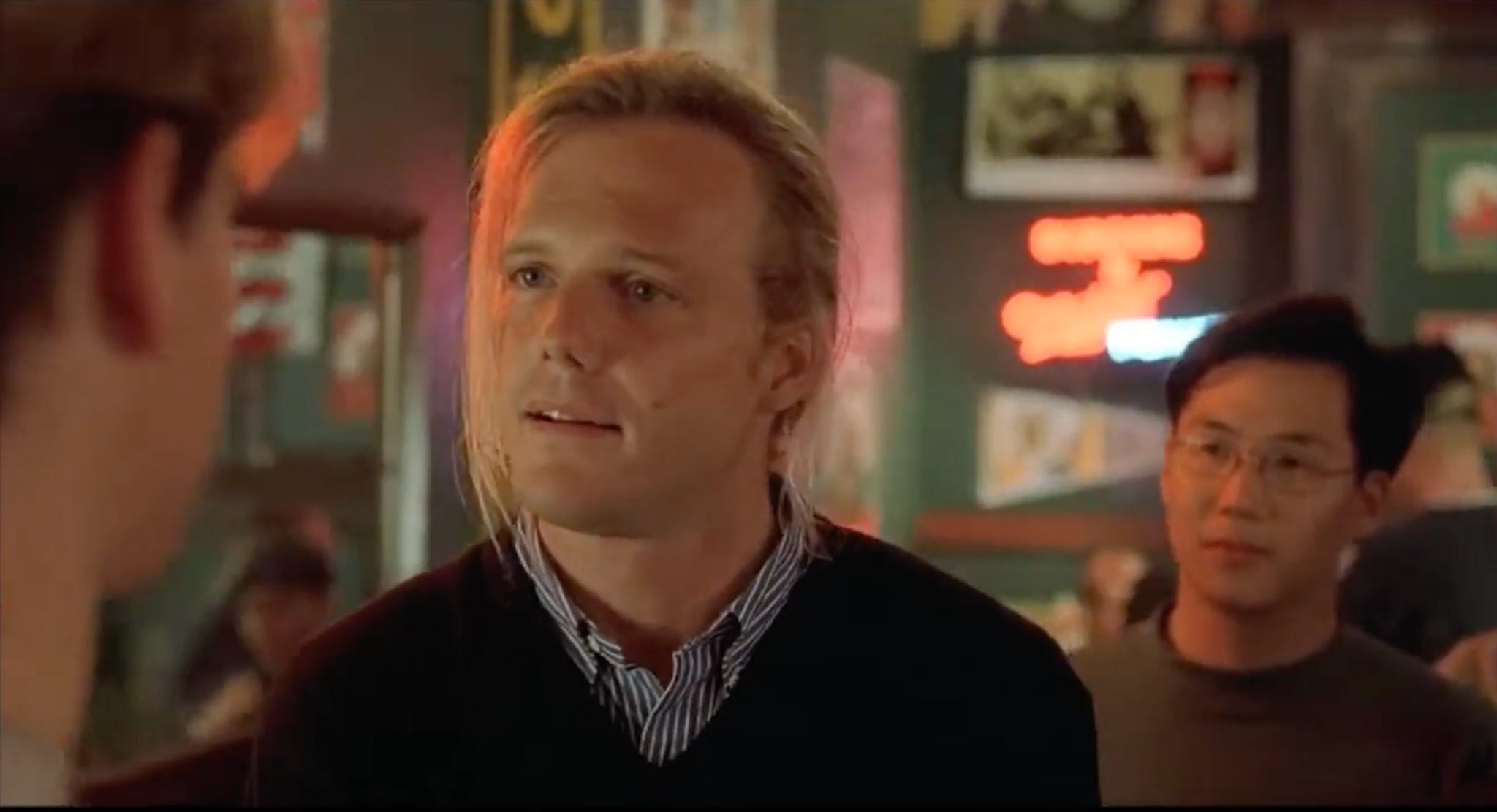
Now that’s some hidden potential!
How nice would it be to have some of that? I can think of a few douchebags I’d like to embarrass…
Well, anyways, there’s Will, and then there’s his two elder mentors: Lambeau (the professor) and Sean (the psychologist). Not only are these old guys the fathers that Will never had, they also represent the different paths he could take. And, on the surface, they present two visions:
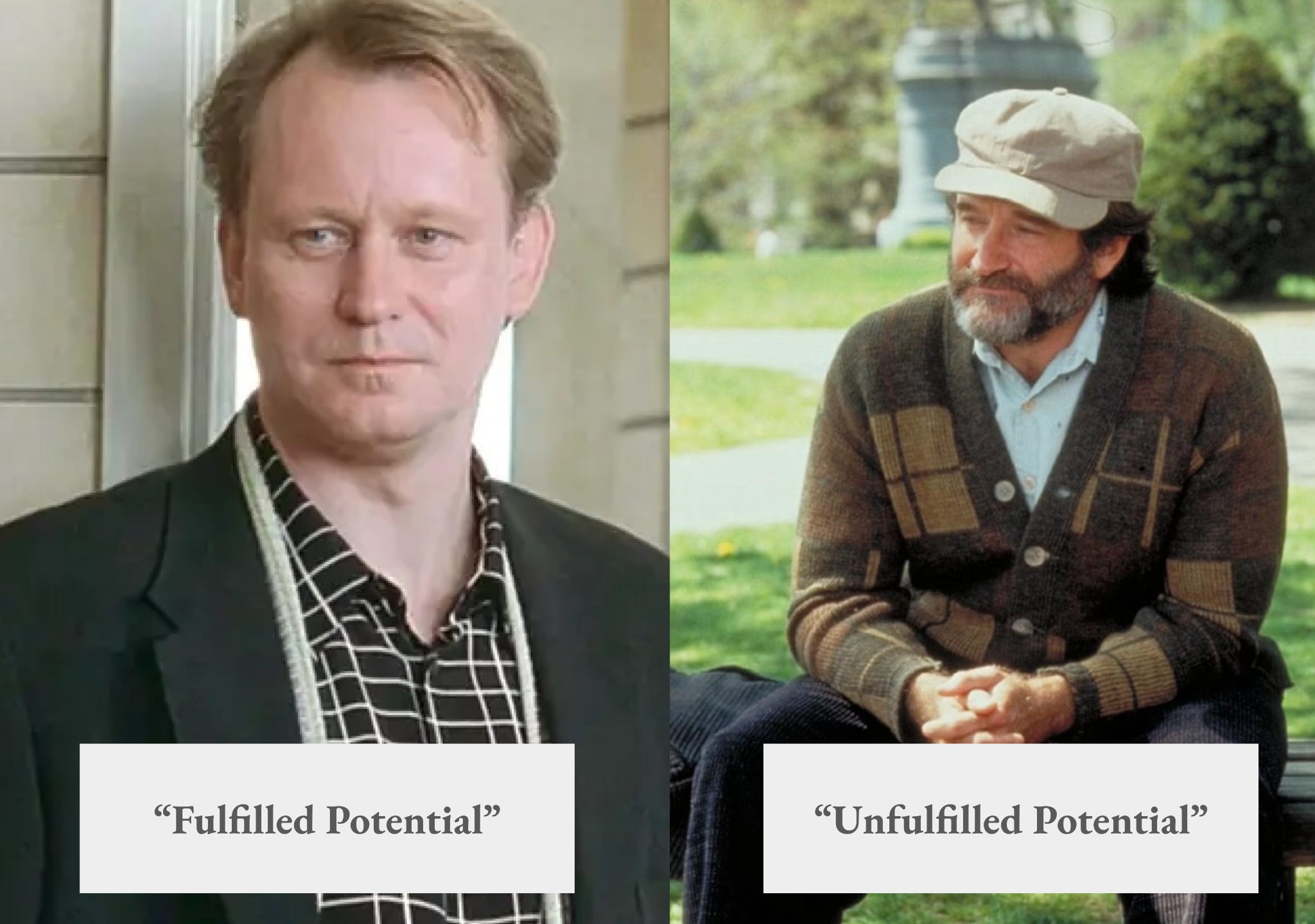
The film is quite unsubtle about this theme. These two guys knew each other—in fact, they were roommates in college. Both had great potential.
One of them went on to win the “Nobel Prize for math,” teaches at MIT, is filled with achievement and prestige and fame, and has young, pretty post-docs fawning over him. He also always wears a scarf all the time, which I guess is symbolism for: a bold fashion move no math nerd would ever attempt.
The other guy is a measly little psychologist. He teaches at a community college. Works in a dungeon office without windows. And symbolism again, wears ugly sweaters. One step further and the director would have written “WASTED POTENTIAL” on his forehead.
Each approaches Will in completely different ways. One focuses on “combinatorial math” (whatever that is), and more importantly, making other MIT professors feel jealous in the face of real genius. The other talks to Will about his dead wife’s flatulence, but more importantly, how Will has erected barriers to ensure nobody ever gets too close.
At first, we think the question is: how far could Will’s genius take him? Then, we learn there’s a harder one: does he actually want to go there?
You could have been so much more
Now you may not be The Chosen One, with a destiny plotted out in front of you. No one is fawning over your spreadsheets or basking in the glory of your powerpoint slides. In fact, it’d be nice if they paid a little more attention, amiright?